
that will not release until March, Arpil or even May for some areas. However, there is still time (even if the snow is falling high outside your door) to take minor winterization and weatherization steps to save you money this season.

- According to the U.S. Department of Energy, drafts can waste 5% to 30% of your energy use. Start simple and adopt that old Great Depression fixture -- the draft snake, which you can easily make yourself. Just place a rolled bath towel under a drafty door, or make a more attractive DIY draft snake with googly eyes, felt tongues and the like. You can use any scraps of fabric -- even neckties -- and fill with sand or kitty litter for heft. Make sure drafts aren't giving your thermostat a false reading too, and read on for more advanced solutions.
- Change furnace filters regularly (typically once per month). This will ensure your furnace runs efficiently and conserves power to keep you warm
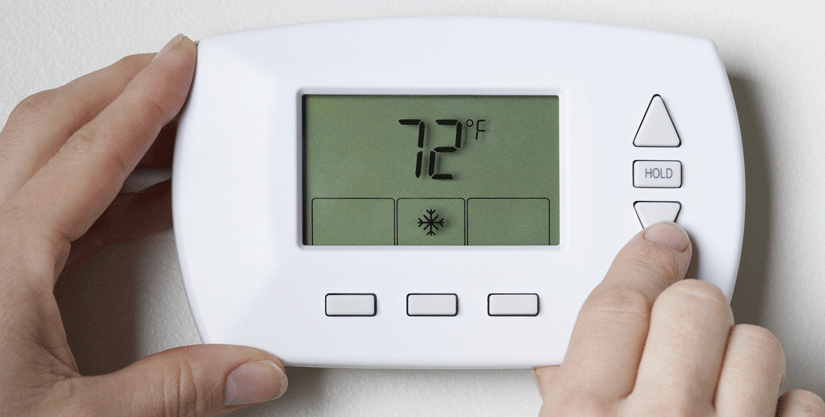
- Don't forget to TURN DOWN your thermostat when no one is at home or at night. For every degree you lower the thermostat during heating season, you'll save between 1 and 3% of your heating bill. Make it easier with a programmable thermostat; they are widely available for as little as $50, and the average family will save $180 a year with one. Go one step further and ask your local utility if it's making smart meters available in your area as part of recent federal smart grid investments.

- LOW-E window film. For a small price, you can DIY by covering your windows with a virtually invisible film that buffers air flow, keeping warm air in and frigid air out. Found at the Home Depot or any home improvement store.
- Update your home's insulation. Although this may seem common sense, many older homes do not have insulated ceilings, attics, and in between some walls. If you are a Georgia resident, contact Woodman Insulation and ask for Sandra Cummins.
- Insulate pipes. Found at most hardware stores, you can get R-3 to R-7 adhesive insulation tape. Simply wrap around your pipes to reduce heat loss.
- The federal government will reimburse you for 30% of the cost, up to $1,500 for highly efficient insulation. Additionally, low-income households can qualify for an average of $6,500 worth of weatherization improvements to their homes through government programs administered by each state. Find out about your state's program by contacting contacting local agencies and utilities.
- Be creative. Instead of always turning up the heat, bring the family around the fire to share stories together. Wear an extra sweater. Sleep with socks on. Anything you can do to save a little green this winter will go a long way for your wallets come spring.
 |
| Doggie Sweaters are great. Find some great options here. |
- First, test your home for air tightness. On a windy day, hold a lit incense stick next to your windows, doors, electrical boxes, plumbing fixtures, electrical outlets, ceiling fixtures, attic hatches, and other locations where there is a possible air path to the outside. If the smoke stream travels horizontally, you have located an air leak that may need caulking, sealing, or weatherstripping
- Caulk and weatherstrip doors and windows that leak air.
- Caulk and seal air leaks where plumbing, ducting, or electrical wiring penetrates through exterior walls, floors, ceilings, and soffits over cabinets.
- Install rubber gaskets behind outlet and switch plates on exterior walls.
- Look for dirty spots in your insulation, which often indicate holes where air leaks into and out of your house. You can seal the holes by stapling sheets of plastic over the holes and caulking the edges of the plastic.
- Install storm windows over single-pane windows or replace them with double-pane windows. Storm windows as much as double the R-value of single-pane windows and they can help reduce drafts, water condensation, and frost formation. As a less costly and less permanent alternative, you can use a heavy-duty, clear plastic sheet on a frame or tape clear plastic film to the inside of your window frames during the cold winter months. Remember, the plastic must be sealed tightly to the frame to help reduce infiltration.
- When the fireplace is not in use, keep the flue damper tightly closed. A chimney is designed specifically for smoke to escape, so until you close it, warm air escapes—24 hours a day!
- For new construction, reduce exterior wall leaks by either installing house wrap, taping the joints of exterior sheathing, or comprehensively caulking and sealing the exterior walls.
Have any tips of your own? Please share them with us by commenting below. Thanks.


 Posts

